

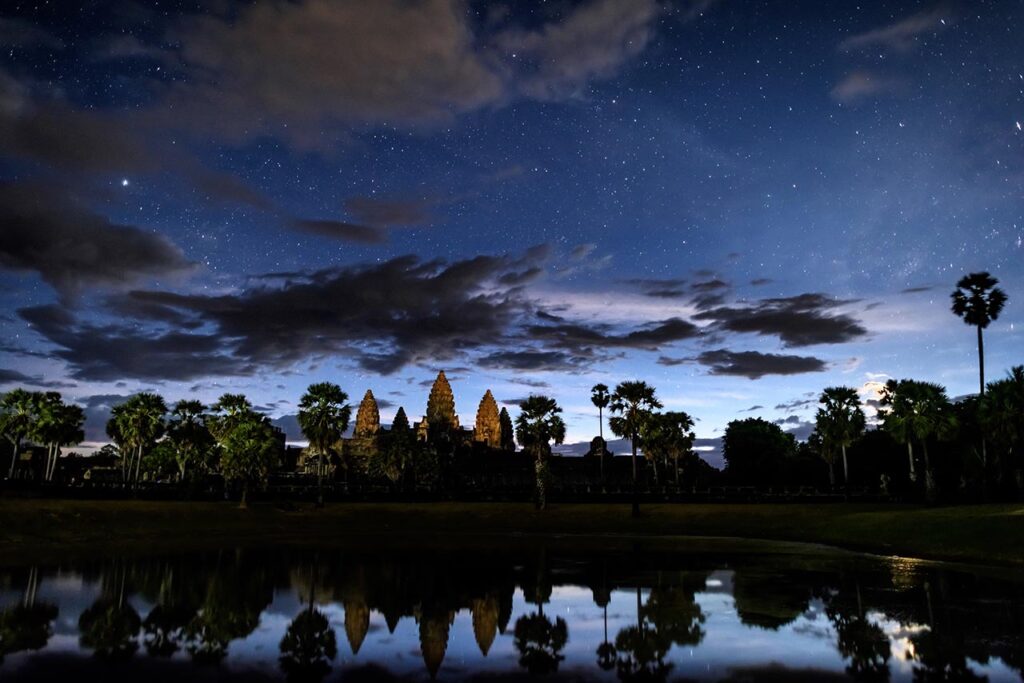
 Most folks know Siem Reap as the launchpad for Angkor Wat. They fly in, tick off the world’s biggest religious monument, snap their sunrise selfie, and move on. What a massive mistake! Siem Reap is an absolute belter of a town in its own right. It has dusty charm, tree-shaded riverbanks, vibrant French colonial architecture. Siem Reap also has night markets buzzing with electric energy, and one of the most underrated, aromatic food-and-drink scenes in all of Southeast Asia.
1. Getting There: Planes, Buses, and the Open Road
Flying In
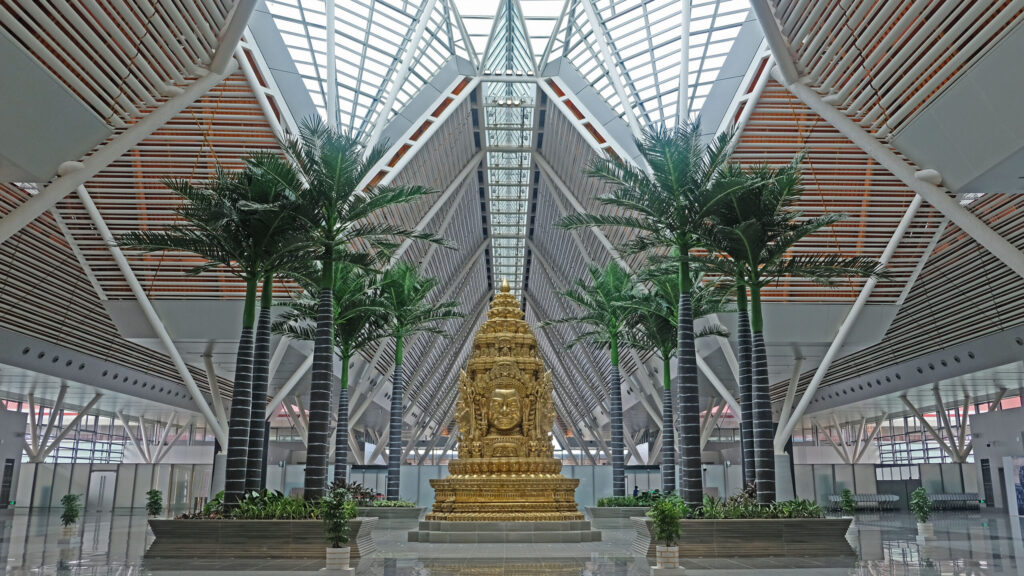 Siem Reap–Angkor International Airport (SAI) is sleek, brand-new, and roughly 45 to 50 kilometres east of town. It handles regular connections from Bangkok, Singapore, Kuala Lumpur, Ho Chi Minh City, and Phnom Penh.
The Overland Adventure
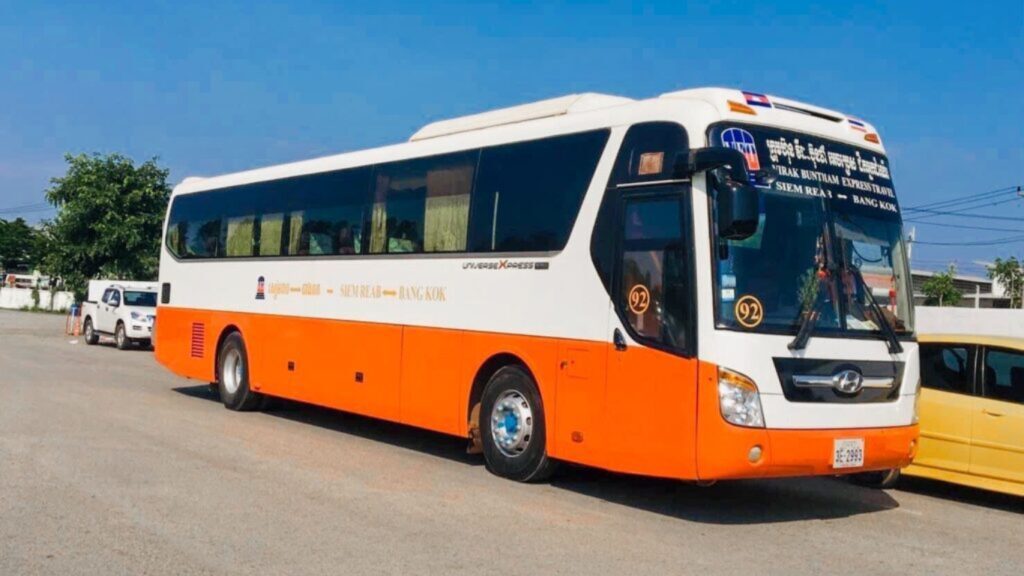 If you’re kicking around Southeast Asia overland—maybe hopping across from Thailand—you can grab a direct bus from Bangkok to Siem Reap via the Poipet border crossing. It’s an iconic backpacker route. Just brace yourself for a long day (around 8 to 10 hours), keep your wits about you at border visa scams, and make sure your e-Visa is sorted online beforehand to keep things painless.
2. Where to Lay Your Head: From Riverside Havens to Boutique Bliss
For Atmosphere and Calm: Wat Bo Village
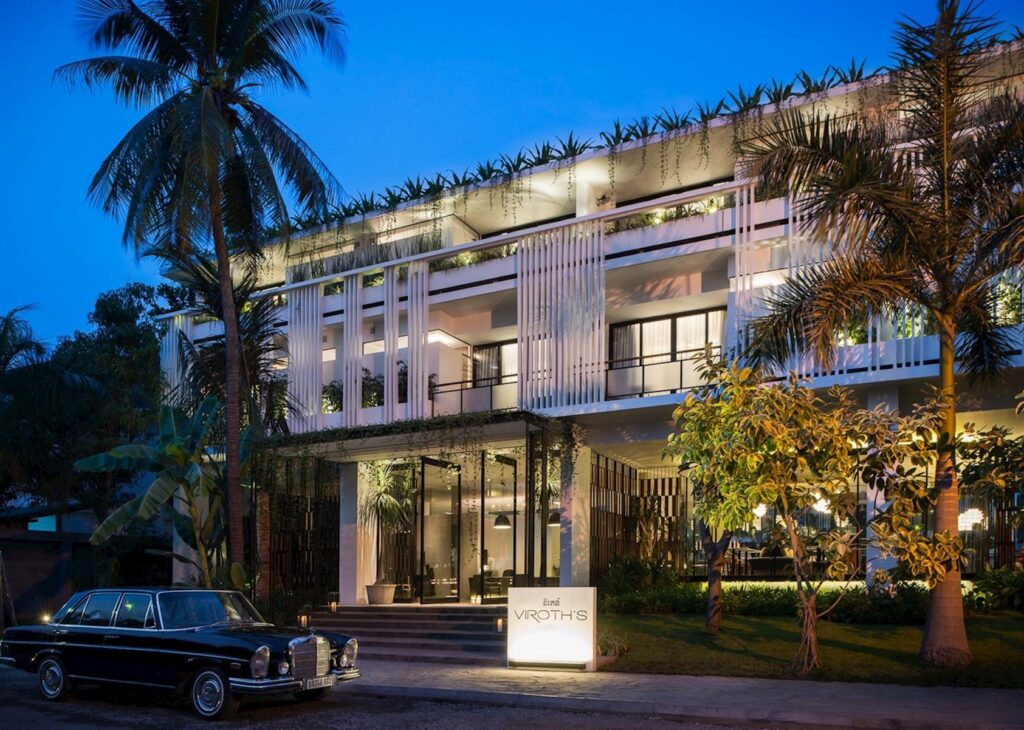
Viroth’s Hotel – A masterpiece of 1950s modernist design, dripping in lush tropical greenery, featuring an enormous slate pool and impeccable service.
Treeline Urban Resort – Perched right along the riverbank, showcasing local Cambodian contemporary art, a gorgeous rooftop pool, and an eco-conscious vibe.
In the Heart of the Action: Old French Quarter & Pub Street
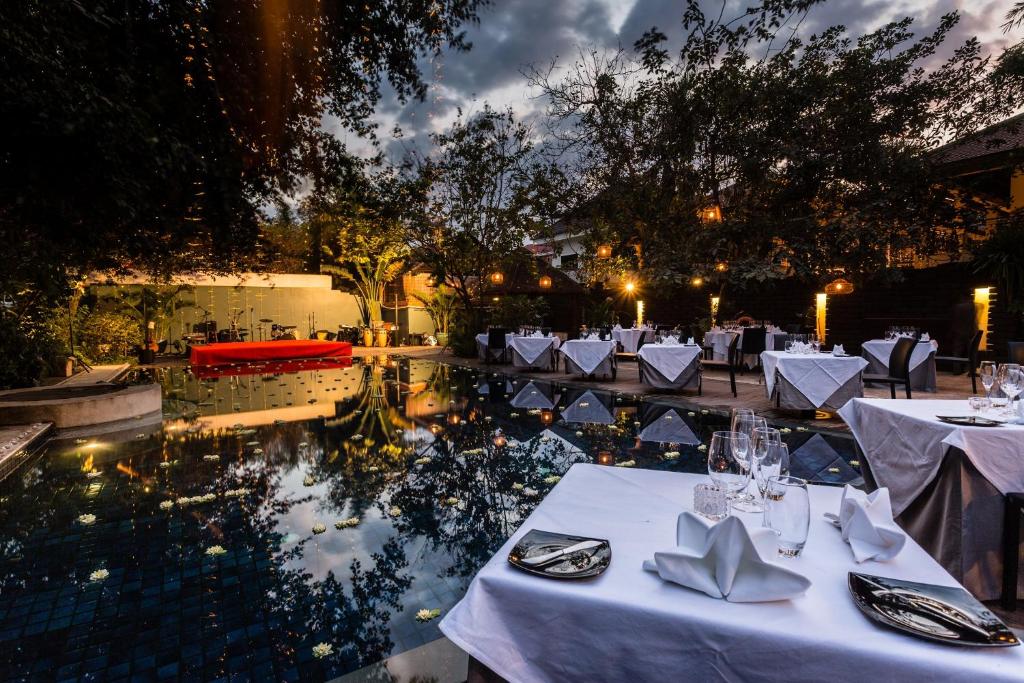
Heritage Suites Hotel – Nestled in the French Quarter of Siem Reap, offering grand colonial architecture, private outdoor plunge tubs, and regular live jazz nights.
3. The Main Event: The Temples of Angkor
Angkor Wat at Dawn
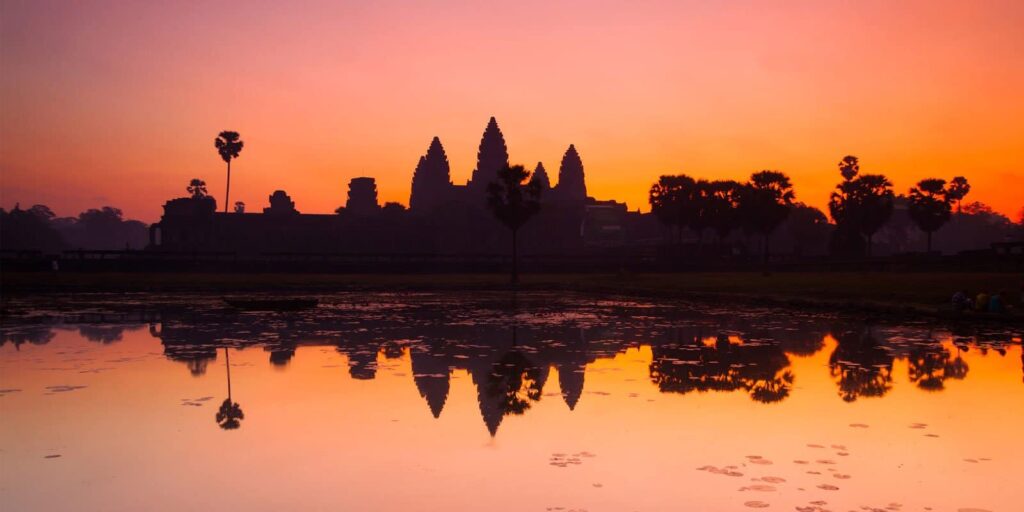 Yes, you have to wake up at 4:30 AM. Yes, your eyes will feel full of sand. And yes, you will share the edge of the lily-strewn reflecting pool with hundreds of other groggy travellers clutching cameras. But when the sky shifts from inky blue to soft violet, and the lotus-bud silhouettes of Angkor Wat glow fiery orange and gold in the morning mist, every ounce of tiredness evaporates.
Bayon: The Enigmatic Stone Faces
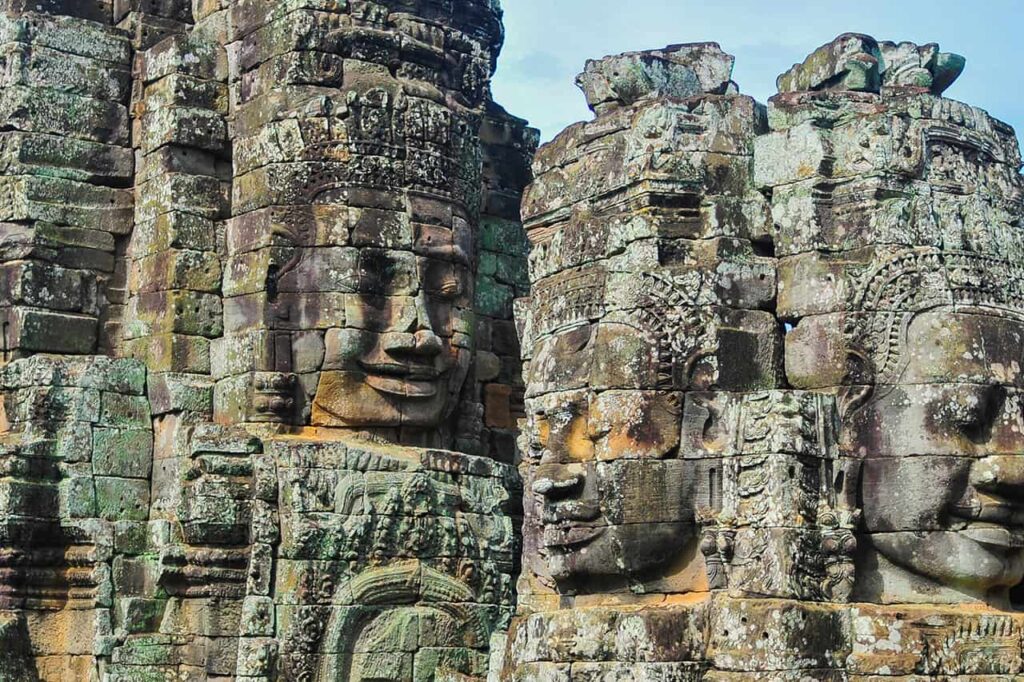 Located inside the walled royal city of Angkor Thom, Bayon is my personal favourite. As you scramble up the stone stairways, you find yourself staring face-to-face into hundreds of massive, serene stone visages carved into 54 Gothic towers. Are they King Jayavarman VII? Are they the compassionate Bodhisattva Avalokiteshvara? Whoever they are, their quiet, knowing half-smiles follow you wherever you look.
Ta Prohm: The Jungle’s Grip
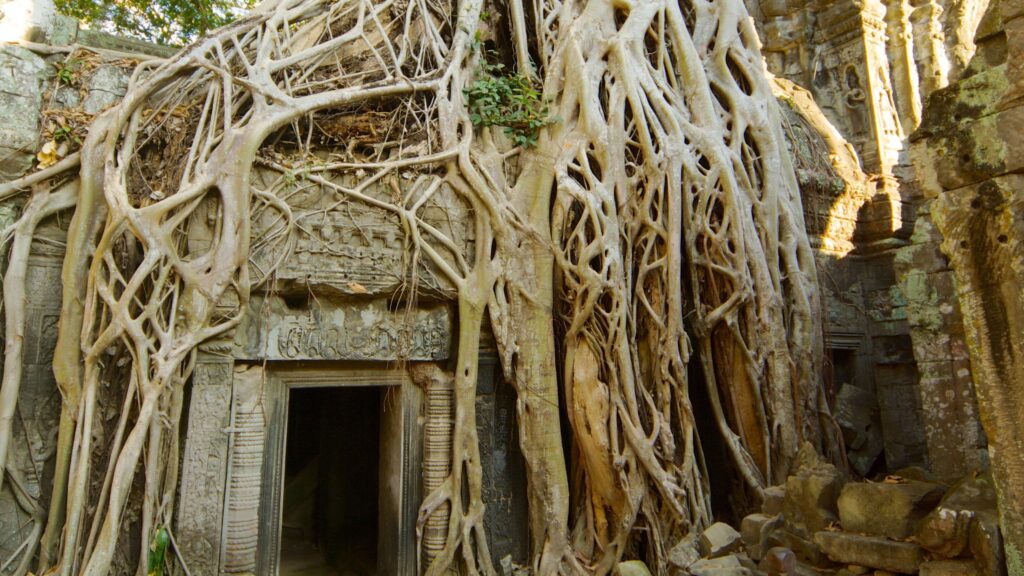 Famous worldwide as the “Tomb Raider” temple, Ta Prohm was deliberately left largely as it was found. Massive silk-cotton and strangler fig trees burst directly out of the stone roofs, their serpentine roots cascading down ancient doorways like giant wooden tentacles. You hear the deafening buzz of cicadas, smell damp moss and wet stone. Take many photos that show just how effortlessly Mother Nature reclaims what humanity abandons.
Banteay Srei: The Pink Citadel
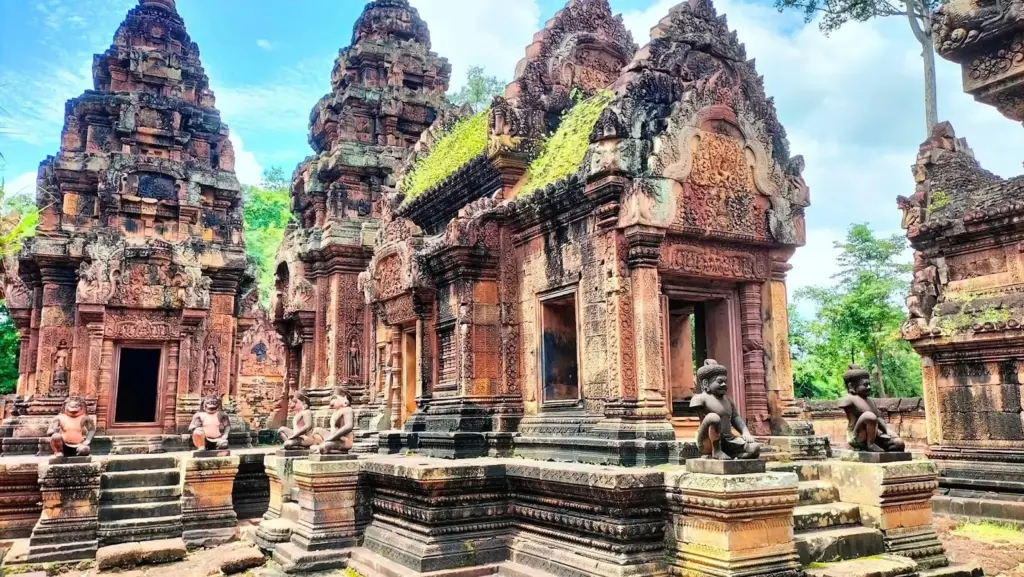 Set about 25 kilometres north of the main complex, Banteay Srei is worth the longer tuk-tuk ride through rural villages. Built from rose-pink sandstone, the carvings here are so mind-bogglingly intricate and delicate that locals claim they could only have been chiselled by the hands of women. The bas-reliefs here look as crisp today as they did a thousand years ago.
4. Beyond the Stones: Life on the River and Land
Tonlé Sap and the Floating Villages
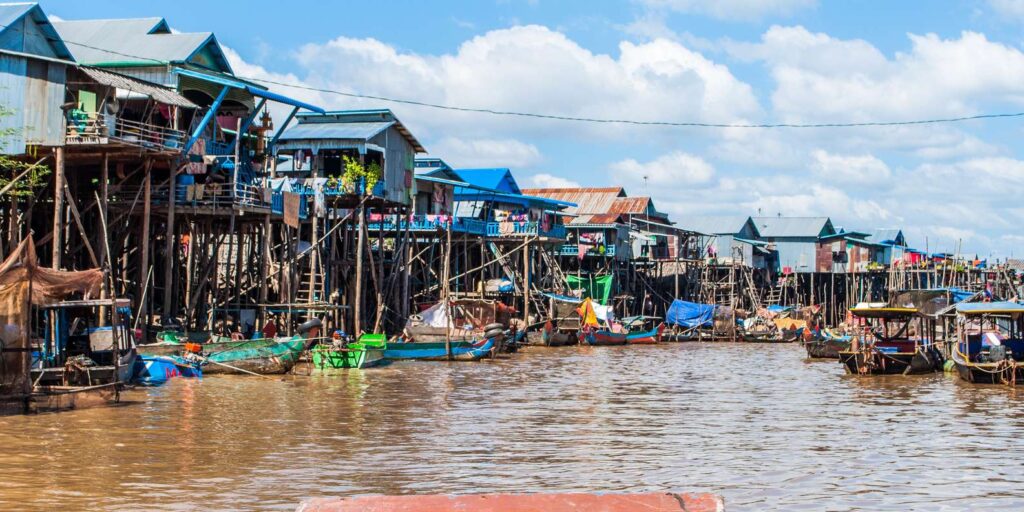
South of Siem Reap town sits Tonlé Sap, Southeast Asia’s largest freshwater lake. It expands and shrinks dramatically with the monsoons. Take an afternoon trip to Kompong Phluk to see stilted wooden homes towering six to eight metres above the water line, wandering through flooded mangrove forests by wooden canoe. Skip the tourist-trap crocodile farms and focus instead on watching everyday life unfold out on the water.
The Phare Cambodian Circus
 Forget trained animals; this is pure human artistry and energy. Phare is a social enterprise that trains disadvantaged youths in acrobatics, theatre, music, and dance. The performers throw themselves through the air with death-defying precision, tell poignant stories of Cambodian history, and radiate an infectious joy that will have you clapping until your palms sting.
5. The Real Adventure: Eating and Drinking Like a King
Breakfast of Champions: Nom Banh Chok & Kuy Teav
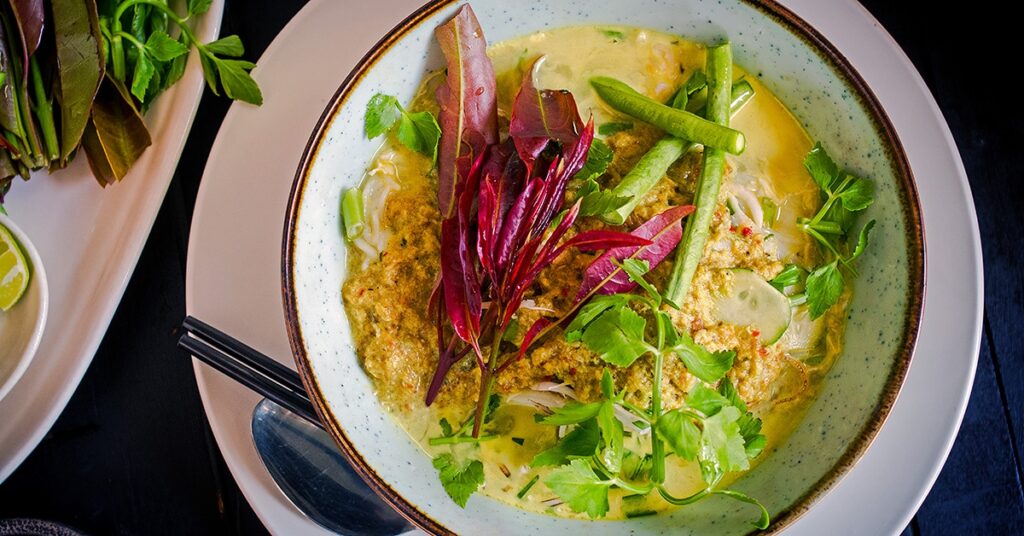 This quintessential Khmer breakfast consists of fresh, handmade rice noodles bathed in a fragrant, golden-green fish curry broth infused with lemongrass, turmeric, and coconut milk, piled high with shaved banana blossom, cucumbers, long beans, and fresh mint.
The Dishes You Can’t Leave Siem Reap Without Trying
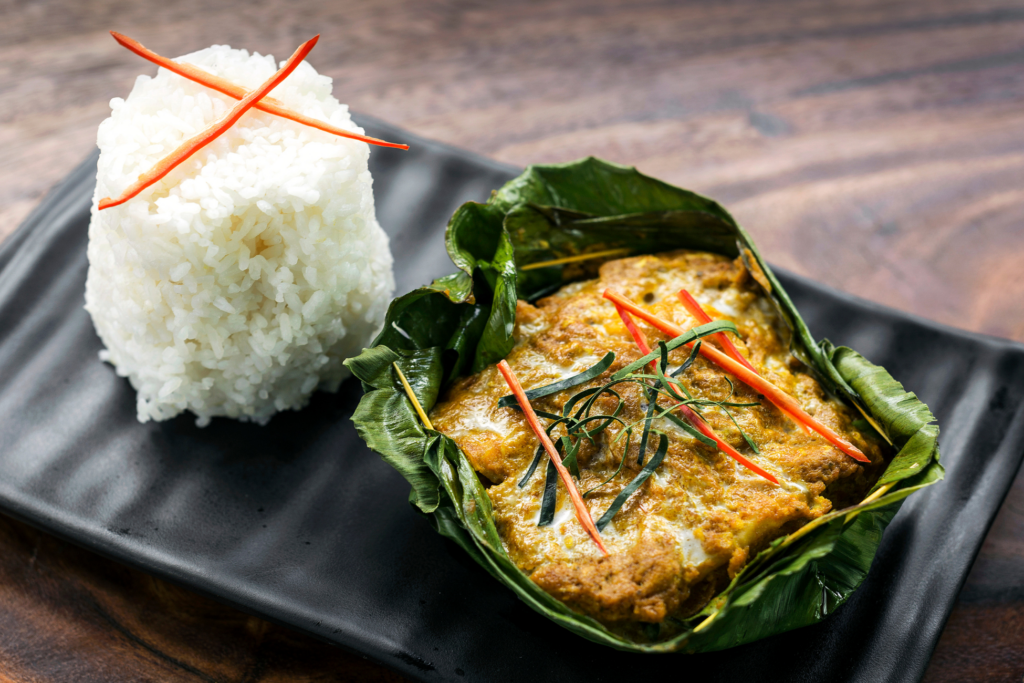
Fish Amok
Lok Lak
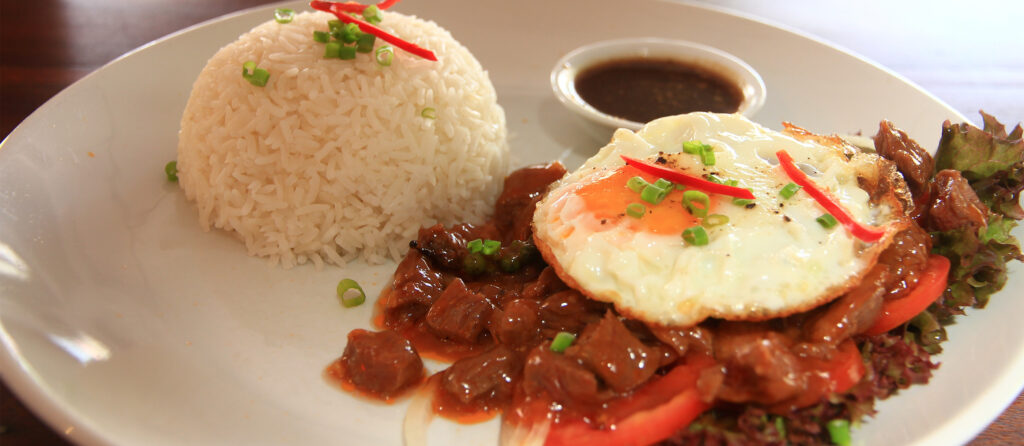 Stir-fried marinated beef cubes cooked lightning-fast in a skillet, served over a bed of crisp lettuce, fresh tomatoes, and raw onions. The kicker? The dipping sauce: a small ramekin filled with fresh lime juice, sea salt, and generous helpings of cracked Kampot black pepper. Dip a piece of savoury beef into that peppery, zesty mix, and you’ll never look at table pepper the same way again.
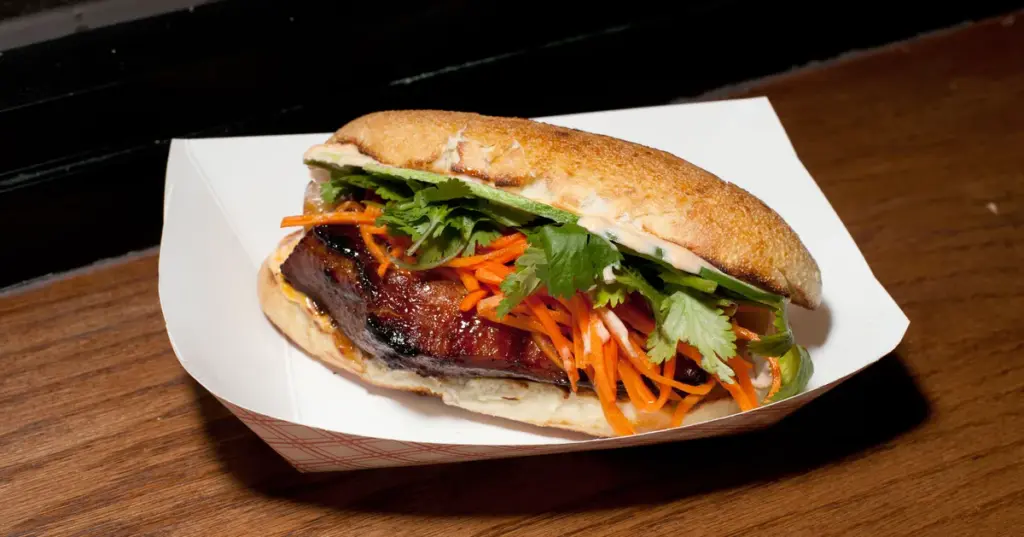
Num Pang
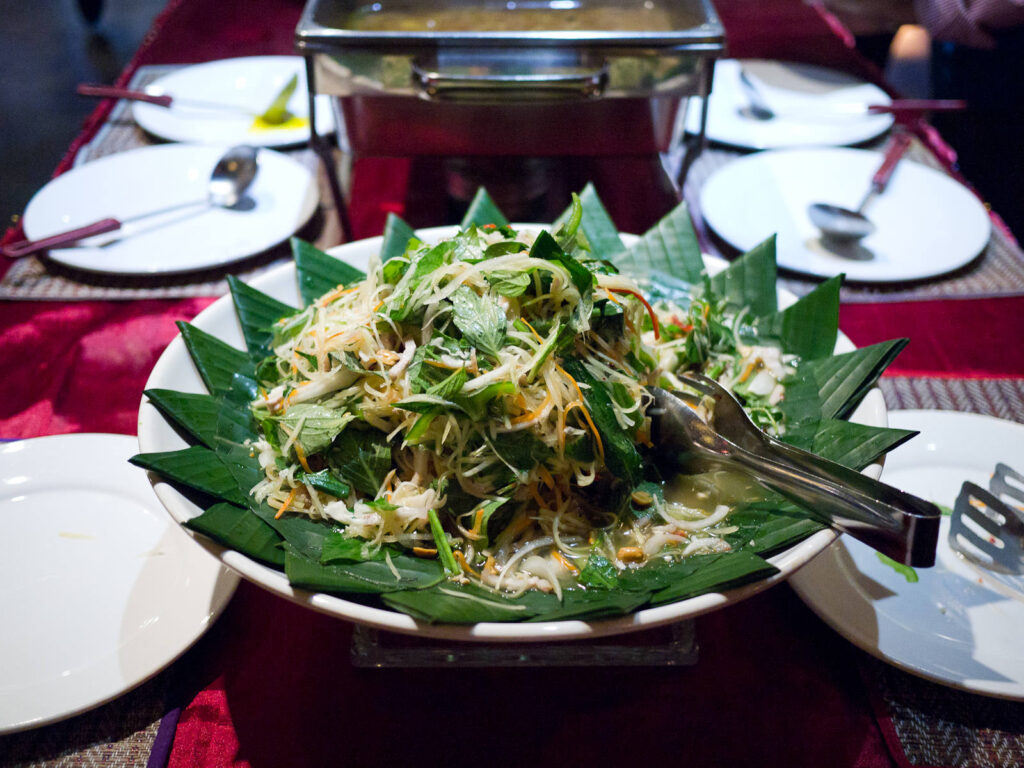
Green Mango Salad with Smoked Fish
Wash It Down: The Booze Scene
The Local Lagers
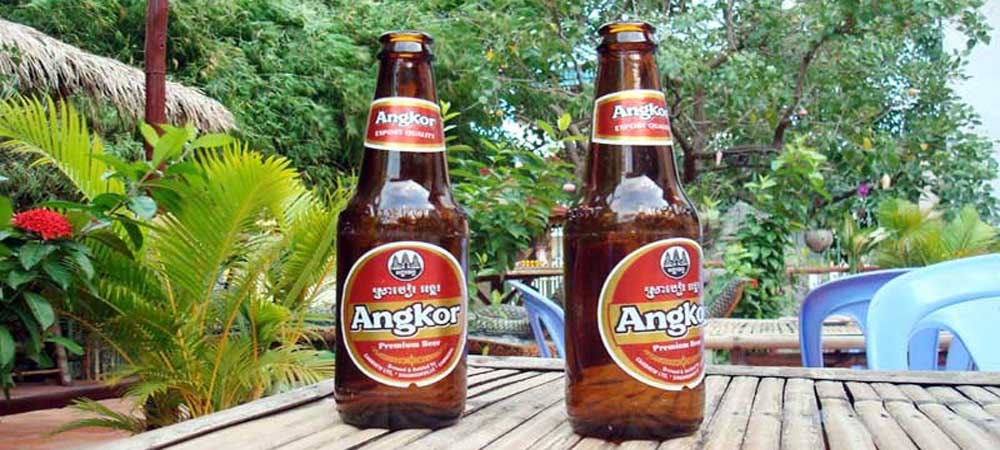 They are light, crisp, easy-drinking lagers served ice-cold. On a blistering 35°C afternoon in Siem Reap, a tall glass of Angkor poured directly over an ice cube (the authentic Southeast Asian way!) is nothing short of life-saving.
Pub Street (Street 8)
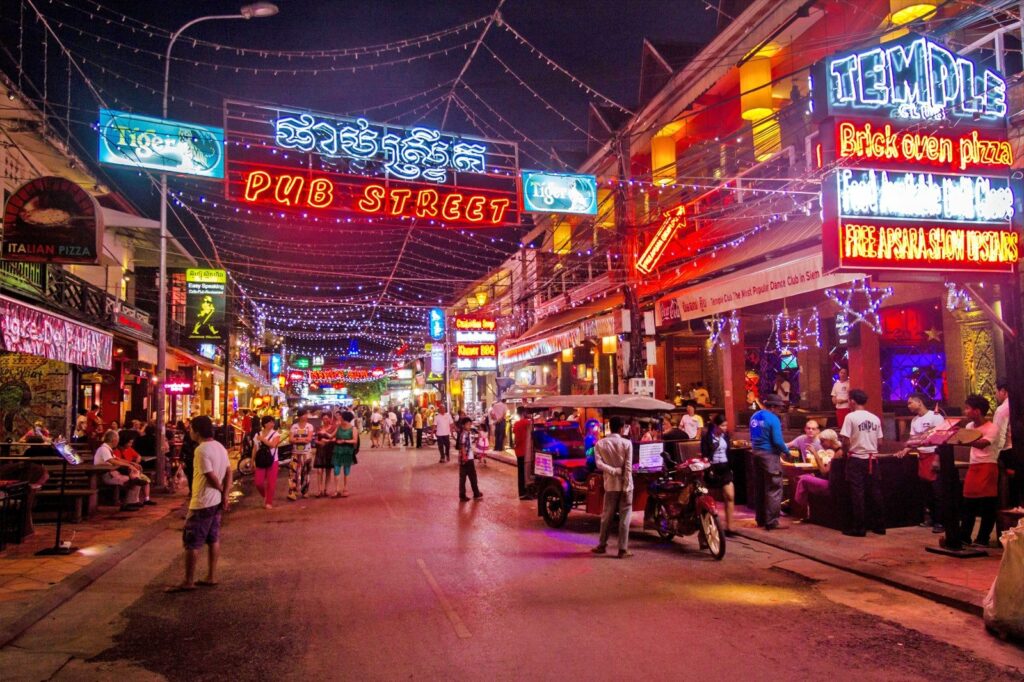 Love it or hate it, you have to witness it at least once. Neon lights, thumping bass, roving hawkers, scorpion-on-a-stick carts, and draught beers flowing for 50 cents to a dollar a pint. It’s wild, noisy, slightly unhinged, and fantastic for people-watching.
The Craft & Cocktail Renaissance
Sombai Infused Rice Liqueur
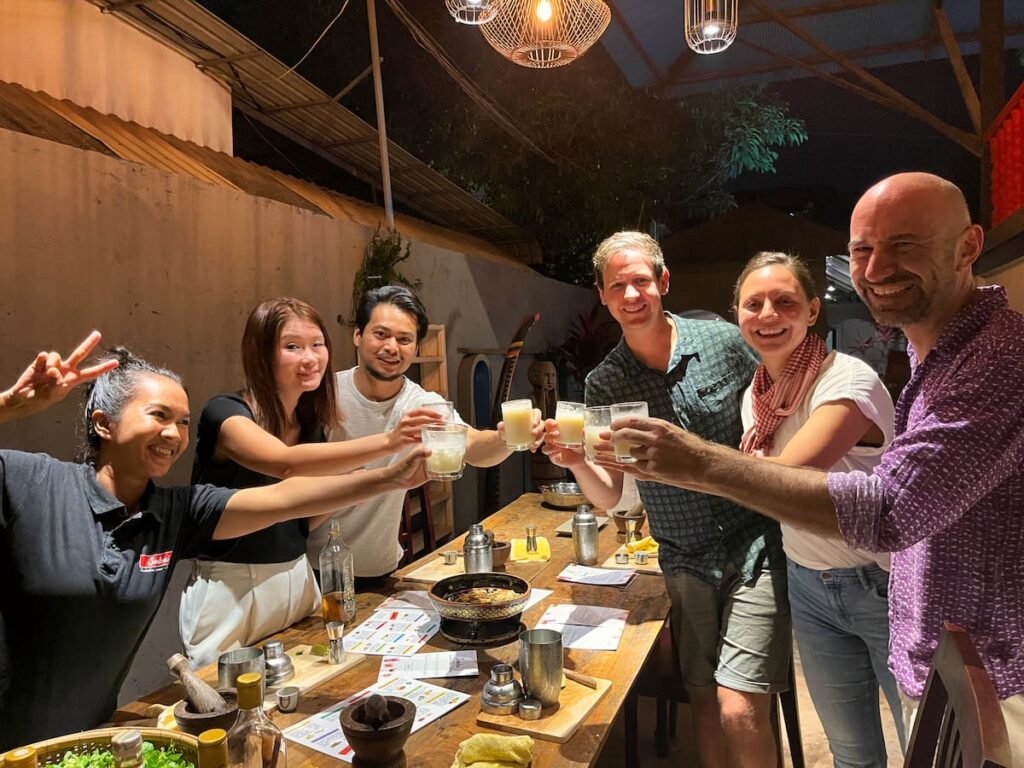
Seek out a tasting of Sombai, a locally produced rice spirit infused with native fruits and spices—think banana and cinnamon, mango and green chilli, or coconut and pineapple. It comes in hand-painted bottles and makes an unbeatable souvenir to stash in your suitcase. Take a cocktail class while you’re there so it doesn’t get stashed at the back of the shelf with the other holiday drinks!
6. How to Plan Your Days: The Sweet Spot
| Day | Morning | Afternoon | Evening |
| Day 1 | Arrive, unpack, stroll along the river, and grab iced coffee | Explore Psar Chaa (Old Market) & Wat Bo neighbourhood | Dinner at a Khmer bistro; nightcap along Alley West |
| Day 2 | Pre-dawn sunrise at Angkor Wat, explore the inner sanctum | Head back for a pool dip; rest during the midday heat | Afternoon at Bayon (faces) & sunset at Phnom Bakheng |
| Day 3 | Morning run to Ta Prohm (roots) & Banteay Kdei | Afternoon trip out to Kompong Phluk floating village | Pub Street beers & a fiery bowl of beef Lok Lak |
| Day 4 | Tuk-tuk north to Banteay Srei & the Landmine Museum | Browse artisan craft shops (Artisans Angkor) | Phare Circus show followed by Sombai cocktails |
A Few Parting Words of Advice
-
Dress for the Gods: When visiting the temples, respect the local culture. Your shoulders and knees must be covered. Light, breezy linen trousers and cotton shirts are your best friends here. A scarf wrapped around bare shoulders won’t cut it at the ticket checkpoints.
-
Tipping Goes a Long Way: While not strictly mandatory, tipping your tuk-tuk drivers, tour guides, and waitstaff makes an enormous difference to local families. A couple of dollars here and there is small change for visitors, but hugely appreciated.
-
Slow Down: The heat in Cambodia is no joke. The secret to enjoying Siem Reap is to pace yourself. Explore early in the morning, retreat to a shaded café or a hotel swimming pool between 12:00 PM and 2:30 PM, and re-emerge when the sun softens and the street grills fire up.
