

The perfect trip involves three non-negotiable elements. Spectacular sights, mind-blowing food, and a refreshing beverage (or three) to wash it all down. You can find all three and more in Phu Quoc.
For years, travellers heading to Vietnam followed a well-worn path. You did the chaotic bia hơi (fresh draught beer) crawl in Hanoi, you cruised through the limestone karsts of Ha Long Bay, you got a custom suit tailored in Hoi An, and you braved the sea of motorbikes in Ho Chi Minh City. And you loved it. We all did. But right now, in 2026, there is a tropical island sitting in the Gulf of Thailand that is demanding your attention.
 Phu Quoc—affectionately known as the “Pearl Island”—is Vietnam’s largest island. However it feels like an entirely different country.
Phu Quoc—affectionately known as the “Pearl Island”—is Vietnam’s largest island. However it feels like an entirely different country. It has the white-sand credentials of Bali or Phuket. Also it retains a raw, delightfully rough-around-the-edges charm that makes it an absolute paradise for anyone obsessed with local food, cold beers, and dramatic coastal sunsets.
Grab a drink, pull up a chair, and let’s dive into everything you need to know about navigating, eating, and drinking your way through this tropical gem.
Getting There: The Journey to Paradise
Getting to an island can sometimes feel like an ordeal that requires three buses, a sketchy long-tail boat, and a prayer. Thankfully, getting to Phu Quoc is surprisingly civilised.
Flying In
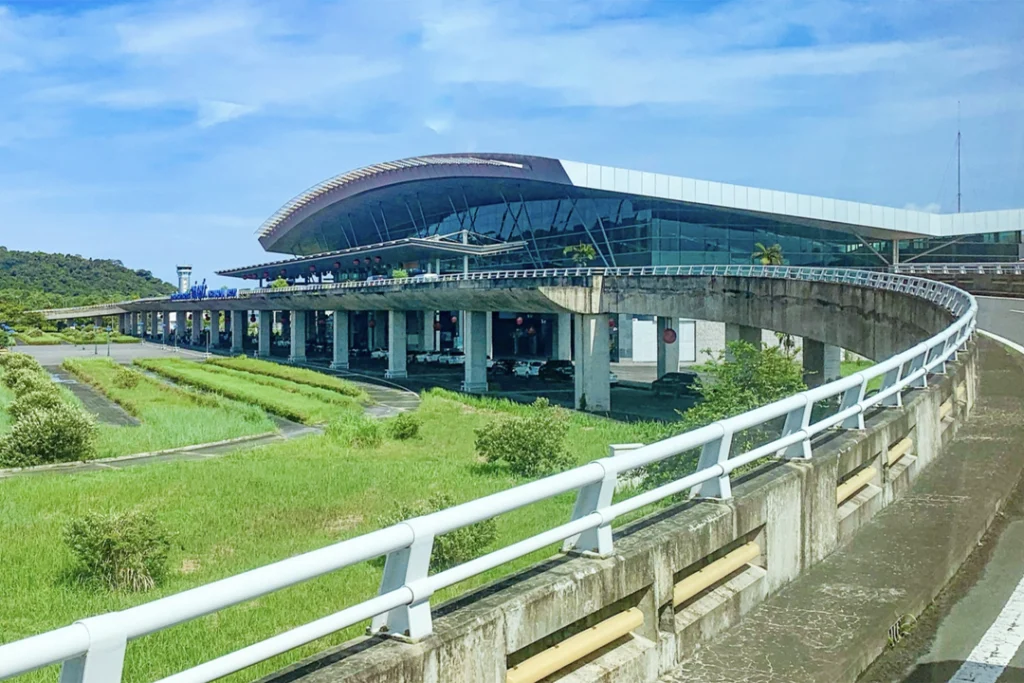
By far the easiest way to get here is to fly into Phu Quoc International Airport (PQC). If you’re already traveling through Vietnam, it’s a breeze. Flights from Ho Chi Minh City take a mere 50 to 60 minutes, and there are dozens of daily departures on airlines like Vietnam Airlines and VietJet. Pop your headphones in, drink a tiny cup of water, and before your playlist even hits the halfway mark, you’re landing in the tropics.
Even better for international travelers: Phu Quoc has a unique visa-free policy. You can fly directly onto the island from abroad and stay visa-free for up to 30 days. With direct flights now dropping in regularly from regional hubs like Bangkok, Singapore, Seoul, and Taipei, it’s never been easier to make a run for the border.
The Scenic Route: The Ferry
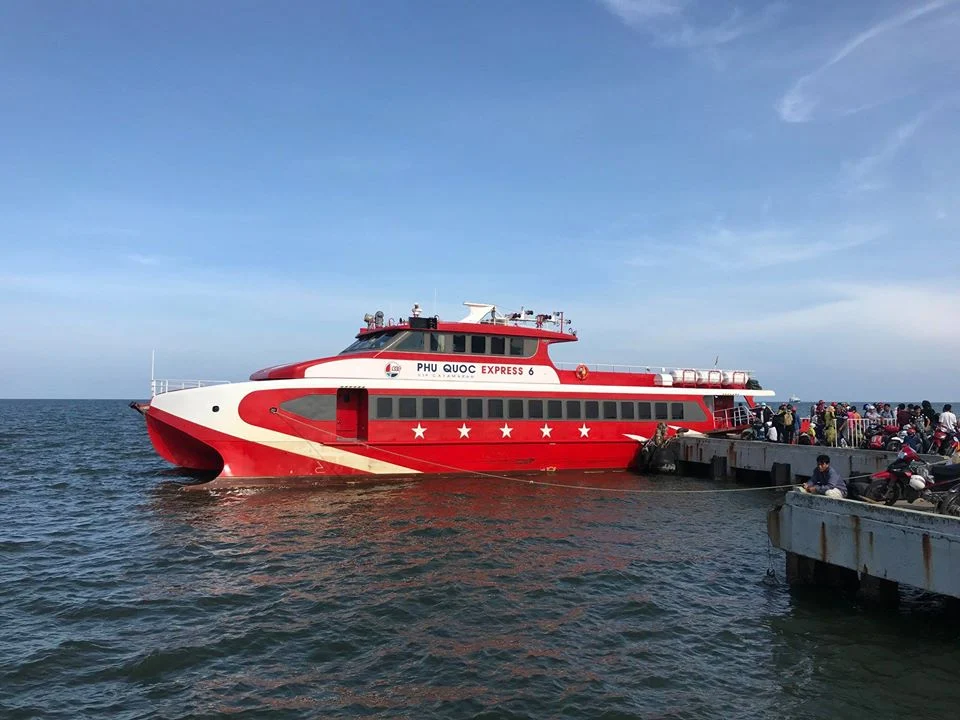
If you’re a romantic who prefers the rhythm of the sea—or if you’re exploring the Mekong Delta first—you can catch a super-fast ferry from the mainland towns of Ha Tien or Rach Gia.
A Quick Tip on the Ferry: While it’s highly scenic, it is completely dependent on the weather. If you’re traveling during the transitional shoulder months, the waves can get lively. If you’re prone to sea sickness, stick to the air-conditioned comfort of a short flight. Trust me on this one.
Where to Anchor Down: Finding Your Base
Phu Quoc is roughly the size of Singapore, meaning where you choose to drop your bags will dictate the entire vibe of your trip. The island is generally split into three main zones:
1. Duong Dong (The Bustling Heart)
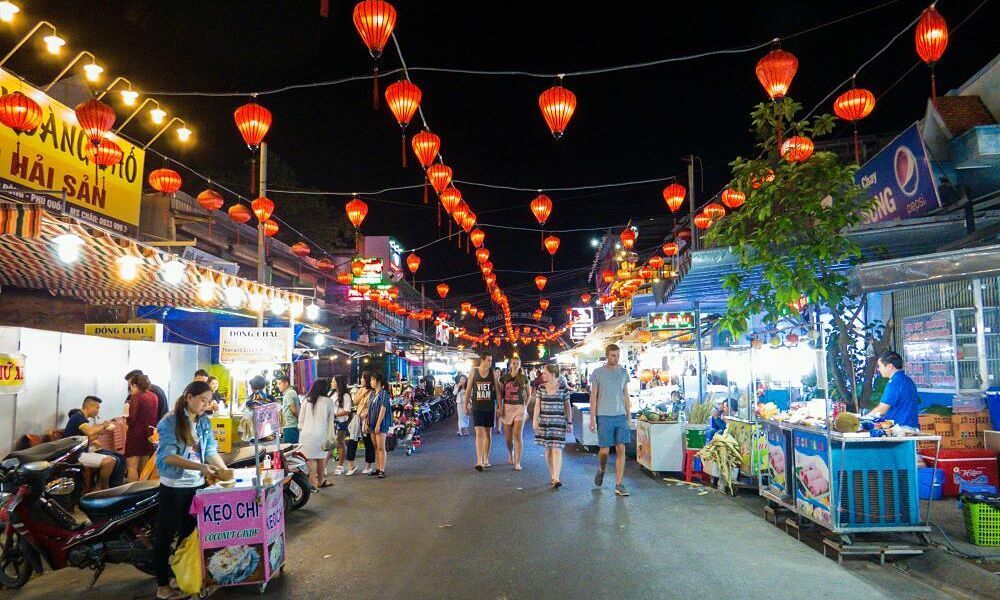
If you want to step out of your accommodation and immediately smell street food charcoal, Duong Dong is your spot. It’s the main town, home to the famous night market, countless bars, local cafes, and a glorious amount of local chaos.
-
The Vibe: Energetic, loud, highly walkable, and perfect for solo travellers or budget backpackers.
-
Where to stay: Look for boutique hotels or social hubs like 9Station Hostel if you want to meet fellow travellers over a cold Tiger beer.
2. Long Beach (The Classic Resort Strip)
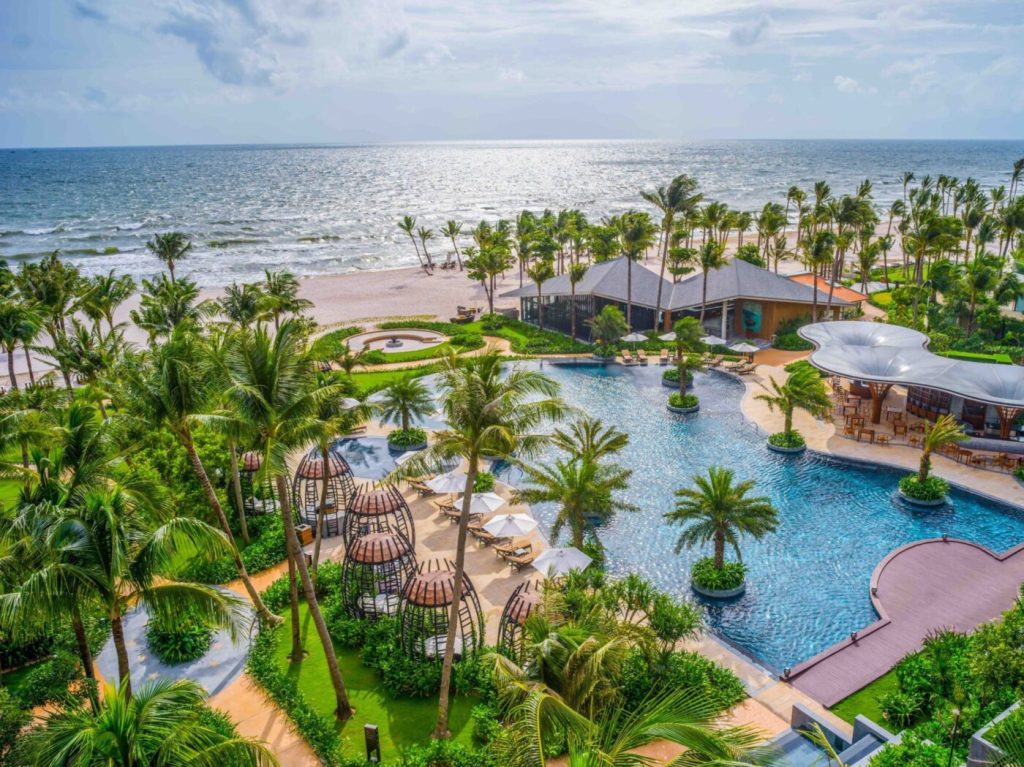 Stretching down the western coast from Duong Dong is
Stretching down the western coast from Duong Dong is Bai Truong (Long Beach). This is a massive 20-kilometre golden-sand highway lined with everything from cheap beachside bungalows to massive luxury resorts.
-
The Vibe: Convenience is king here. You’ve got direct beach access, western-friendly bars, and front-row seats to the best sunsets on the island.
-
Where to stay: Excellent mid-range beach resorts abound here. It’s the perfect middle ground if you want easy beach access but still want to be a short taxi ride away from dinner in town.
3. The Far South & Khem Beach (The Luxury Enclave)
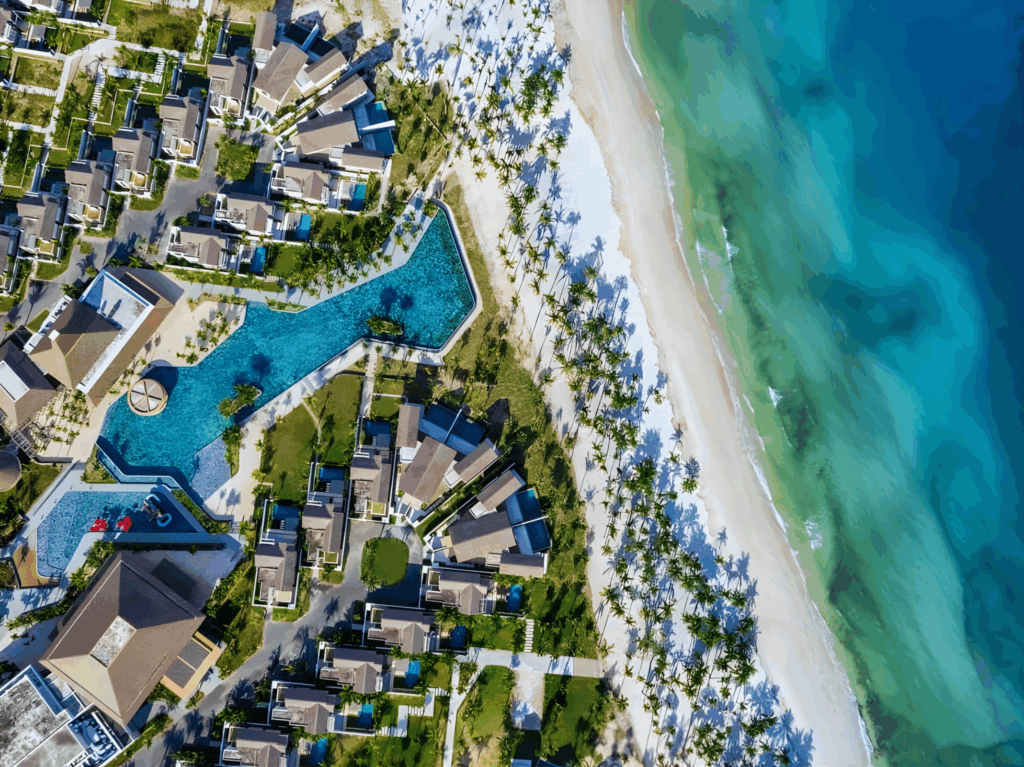
Down in the An Thoi region at the southern tip of the island, things get decidedly high-end. This is where you’ll find Bai Khem (Khem Beach), featuring white sand so blindingly bright and fine that it literally squeaks under your feet.
-
The Vibe: Secluded, pristine, and unashamedly luxurious.
-
Where to stay: This area is dominated by heavy hitters like the JW Marriott Phu Quoc Emerald Bay Resort (designed like a whimsical, fictional 19th-century university) and the gorgeous New World Phu Quoc Resort. If you’re on a honeymoon or simply want to live like royalty for a few days, book a villa down here.
Getting Around Phu Quoc
Let’s be honest: you didn’t fly all the way to Vietnam’s premier teardrop-shaped island paradise just to stare at the four walls of a resort. You came to Phu Quoc for the sugar-white sand beaches and the intoxicating smell of fermenting fish sauce. To take in the sweet heat of local pepper farms. The distinct pleasure of drinking ice-cold Bivina beers on a plastic stool while the sun sinks into the Gulf of Thailand.
But here’s the rub. Phu Quoc is big. It’s actually roughly the same size as Singapore. You can’t just walk from the bustling street-food stalls of Duong Dong market in the centre to the postcard-perfect shores of Sao Beach in the south. You need a game plan to get around.
Whether you want to channel your inner local on a scooter, cruise in air-conditioned luxury, or hop on a free electric shuttle, here is the ultimate, no-nonsense guide to navigating Phu Quoc like a seasoned pro. With plenty of pit-stops for food and booze along the way.
1. The Two-Wheeled Freedom: Renting a Scooter
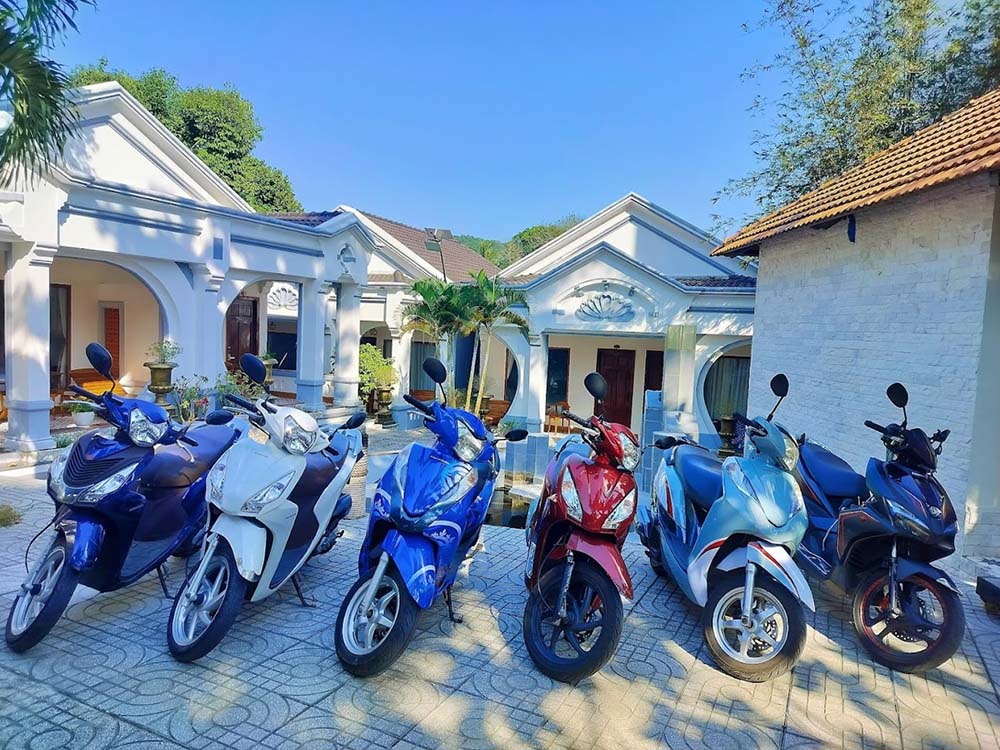
If you ask any backpacker, expat, or food-obsessed traveler what the best way to see Phu Quoc is, they’ll give you the same answer: rent a motorbike.
There is an unparalleled thrill to throwing a leg over a Honda Vision, twisting the throttle, and feeling the warm tropical air hit your face as you track down the island’s best bowl of bún quậy (squid noodle soup).
The Logistics
-
Cost: Ridiculously cheap. Expect to pay between 150,000 to 250,000 VND ($6 to $10 USD) per day depending on whether you want a basic automatic or a slightly beefier model.
-
Where to get one: Literally everywhere. Your resort, your homestay, or the dozens of shops lining Long Beach will have rows of them parked outside.
-
The Fine Print: Vietnam officially requires an International Driving Permit (IDP). While local rental shops will happily hand you the keys with just a copy of your passport, local police do occasionally set up checkpoints. Always wear your helmet, keep your headlights on, and don’t drive like an idiot.
The Route & The Refreshment
Take your scooter up the northwest coast toward Ong Lang beach. The roads here are beautifully paved and lined with palm trees. Once you hit the coast, park the bike and reward yourself at one of the rustic beach shacks with a plate of grilled urchin topped with spring onion oil and peanuts, washed down with a sweating, ice-cold Saigon Red.
2. The Comfort Ride: Grab App & Electric Taxis
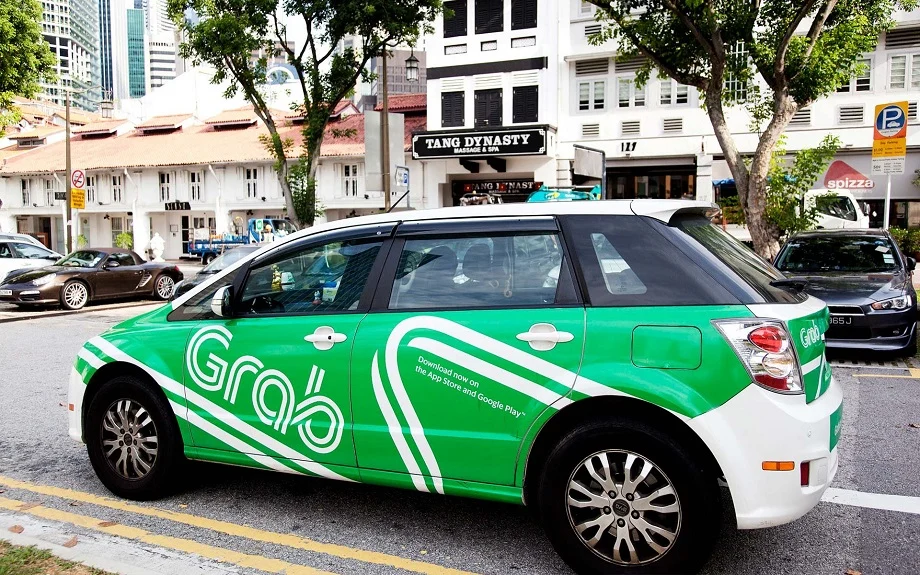
Let’s say you’ve spent the afternoon doing a deep-dive tasting menu at a local pepper farm, or maybe you’ve had one too many passion fruit cocktails at a beach club. Two wheels are out of the question. Enter the tech-driven saviour of modern Southeast Asian travel: Grab.
Just like Uber, the Grab app works seamlessly in Phu Quoc, particularly along the heavily touristed west coast, Duong Dong town, and the airport hub.
The Green Revolution: Xanh SM
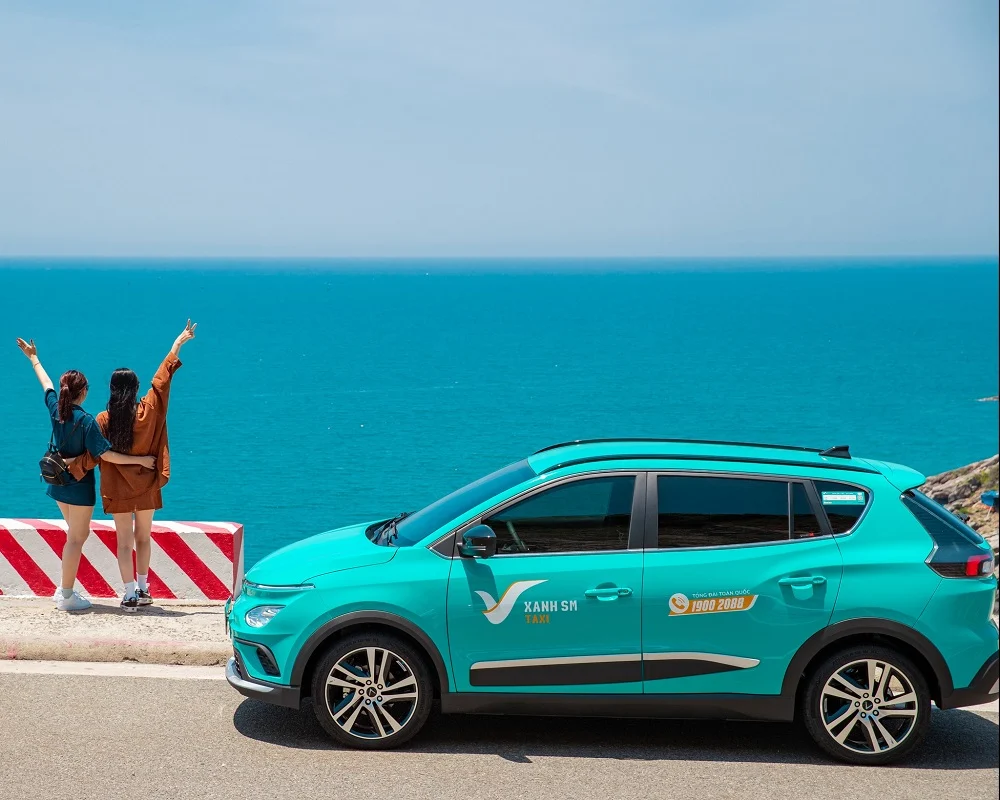
Alongside standard Grab cars, you’ll see a fleet of sleek, mint-green electric cars humming around the island. These are Xanh SM taxis (owned by Vietnam’s VinGroup). They are entirely electric, incredibly clean, smelled faintly of jasmine, and the drivers are famously polite.
Why choose a car?
-
Air Conditioning: Do not underestimate the midday Vietnamese heat. Sometimes, stepping into a blast of 18°C AC is better than any cold drink.
-
Safety in Numbers: If you are travelling as a group or family, splitting a Grab car across the island is incredibly cost-effective.
-
Note: If you venture deep into the rugged north toward the National Park or down to the remote Starfish Beach (Rach Vem), Grab availability drops off sharply. For those long-distance hauls, you’re better off hiring a traditional metered taxi (like Mai Linh) or booking a car for the day.
3. The Budget Hack: The VinBus Electric Shuttle
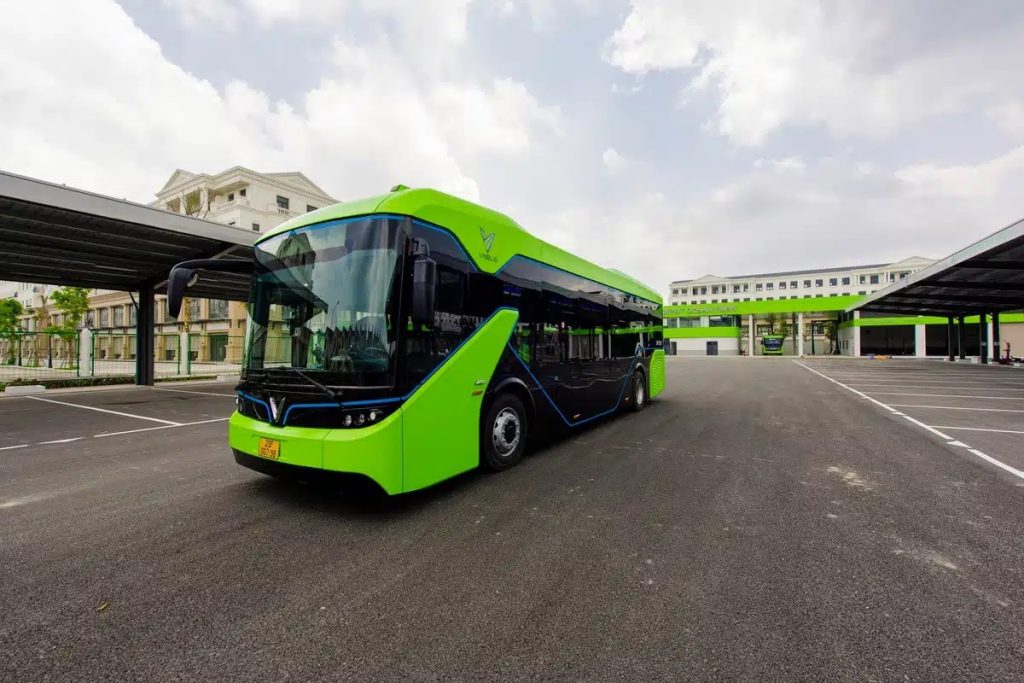
If you love saving your pennies for more street food and craft beer, this is the best-kept secret on the island. VinBus runs a fleet of bright green, eco-friendly electric buses across Phu Quoc.
The Best Part? It’s Free (mostly)!
Because VinGroup operates massive entertainment hubs on the island (like Grand World and VinWonders in the north, and Sunset Town in the south), they run highly efficient bus loops to transport people between the airport, the main hotel strips along Long Beach, and their attractions.
Many of the primary routes cost absolutely nothing, while others charge a negligible fee of about 20,000 to 50,000 VND ($0.80 to $2 USD). They run every 15 to 30 minutes, are impeccably clean, and have excellent air conditioning. Download the VinBus app before you land to track the routes in real-time. It’s the perfect way to get from your Long Beach hotel up north for a night of eating and drinking at the Grand World night market without spending a dime on transport.
4. The Splurge: Private Cars & Jeep Tours
Sometimes, you just want to feel like a high roller, or maybe you want to conquer the unpaved, red-dirt roads of the deep north without swallowing a cloud of dust.
The Private Driver
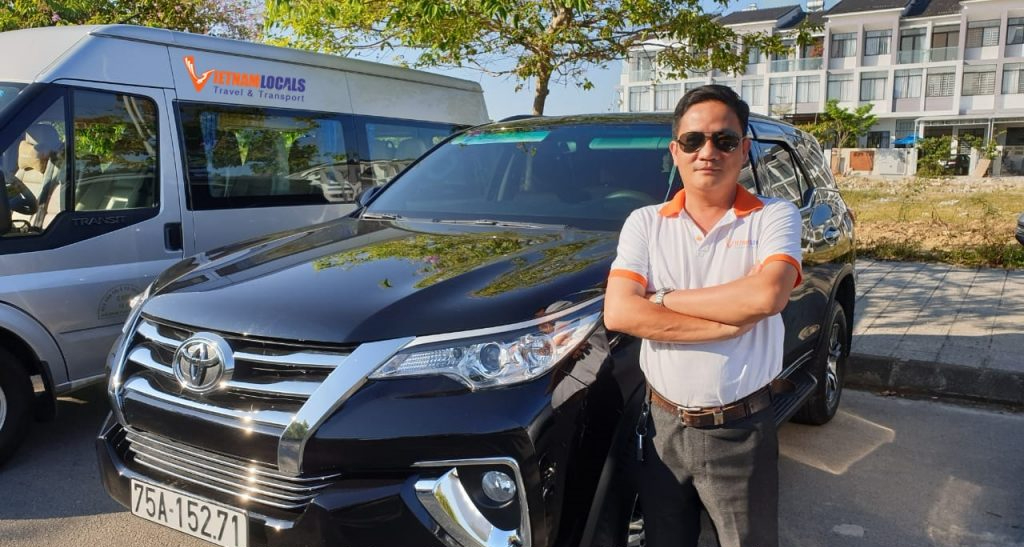
You can easily hire a private car and driver for an 8-to-12-hour day through your hotel front desk or platforms like Klook. It will set you back roughly 1,000,000 to 1,500,000 VND ($40 to $60 USD). Your driver will take you wherever you want from the historic coconut tree prison to a hidden beach restaurant. And they’ll wait patiently while you eat your weight in garlic butter prawns.
The Open-Air Jeep

For a bit more style, look into local open-top military Jeep tours. Cruising down to the southern tip of the island in a vintage Jeep with the roof down is pure rock-star energy. It’s the ultimate way to arrive at the An Thoi port before catching a speedboat out to the outer islands for a day of snorkelling and drinking fresh coconut water on the deck.
Summary: Which Transport Matches Your Vibe?
| Transport Mode | Best For | Vibe Check | Estimated Cost (USD) |
| Scooter/Motorbike | Solo travellers, couples, adventurers | Total freedom, wind in your hair | $6 – $10 / day |
| Grab / Xanh SM | Night outs, short hops, rainy days | Cool, easy, predictable | $3 – $12 per ride |
| VinBus | Budget travelers, family hops | Eco-friendly, chill, scannable | Free to $2 |
| Private Car / Jeep | All-day island touring, group comfort | Luxury, stress-free explorer | $40 – $60 / day |
Pro-Tips for Getting Around Safely (and Happily)
-
Cash is King: While you can link your credit card to the Grab app, local scooter rentals, gas stations, and traditional taxi drivers will only take cash (Vietnamese Dong). Keep a wad of small bills handy.
-
Download Offline Maps: Mobile service is generally excellent on the island, but if you get deep into the jungle canopy of the Phu Quoc National Park up north, your signal might drop. Download the island map on Google Maps offline so you don’t lose your way to the beach.
-
Watch for Red Dirt: If you are riding a scooter to places like Starfish Beach, the roads turn into loose, red clay. When it rains, it becomes slick mud; when it’s dry, it’s loose sand. Slow down, take your time, and remember that the beachside cold beer tastes better when you arrive in one piece.
Sights to See: Beyond the Beach Towel
Look, it is entirely acceptable to spend your entire holiday horizontal on a sun lounger with a coconut in hand. But if your boots are made for walking, Phu Quoc has some genuinely spectacular sights that deserve a spot on your itinerary.
The Hon Thom Cable Car
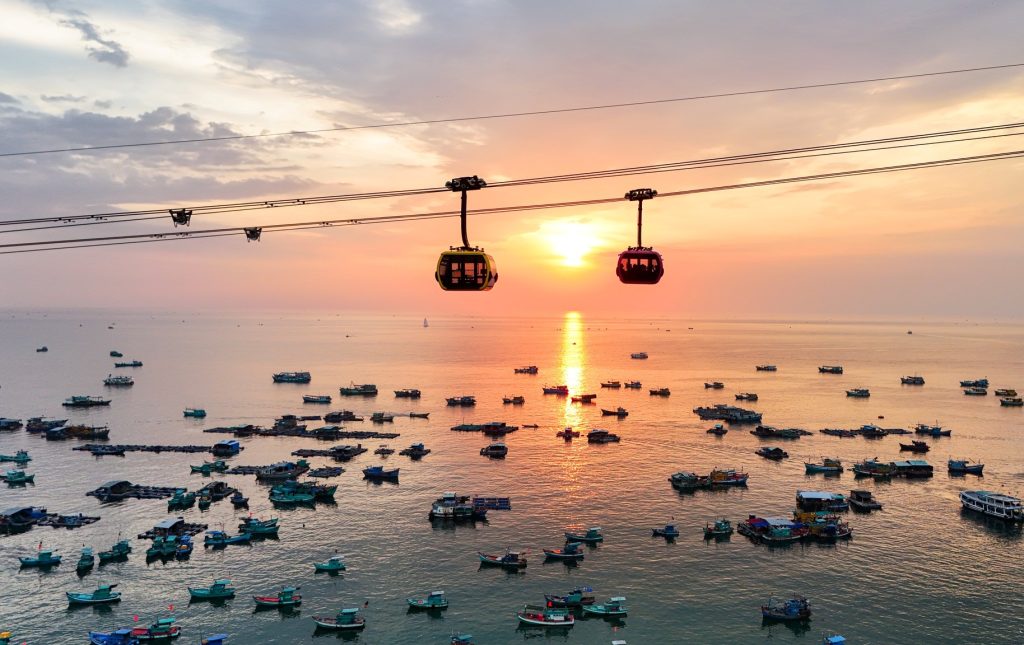
You absolutely cannot leave the island without doing this. The cable car runs from the southern tip of Phu Quoc across the sea to Hon Thom (Pineapple Island). It holds the Guinness World Record as the longest non-stop three-wire overhead cable car in the world, stretching nearly 8 kilometres.
The experience is nothing short of breathtaking. You glide high above the ocean, looking down at a vast fleet of colourful wooden fishing boats bobbing in the turquoise water, coral reefs shimmering below, and lush green islands dotting the horizon. It drops you off at Sun World Hon Thom, which features a massive water park, but honestly, the 25-minute ride each way is worth the ticket price alone.
The Fish Sauce Factories (Nha Thung Nuoc Mam)
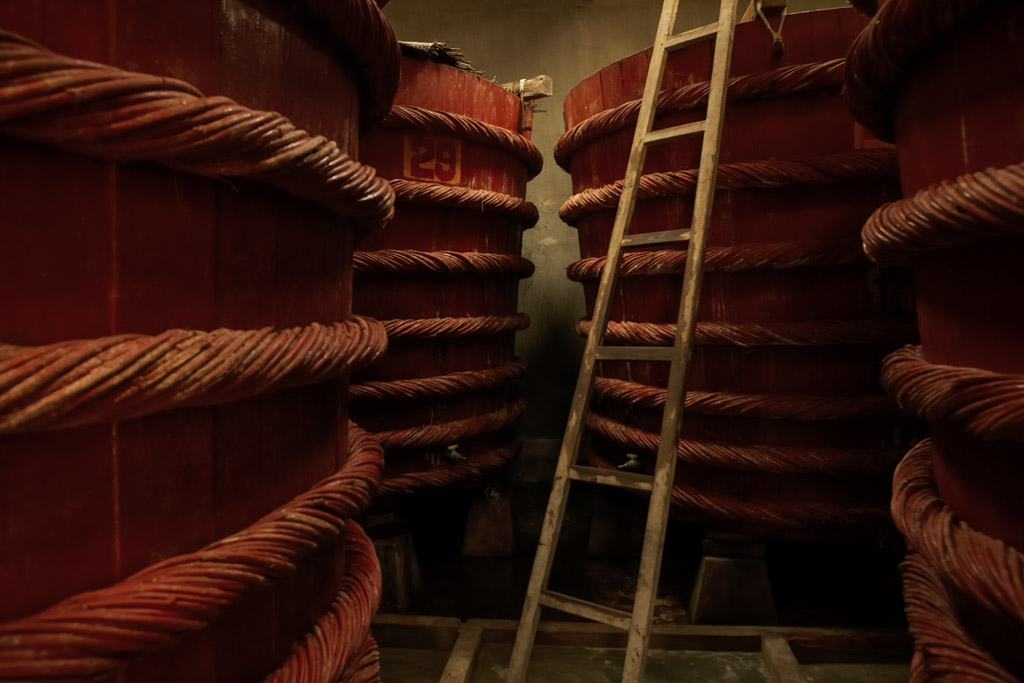
This might sound like a strange tourist attraction, but bear with me. Phu Quoc fish sauce (nước mắm) is legendary. It is the Champagne of the culinary world. So prized that it holds a protected designation of origin status in the European Union.
Visiting a traditional factory in Duong Dong or An Thoi is an sensory experience you won’t forget. You walk into massive, dark warehouses filled with giant wooden vats taller than you, woven from local jungle trees. This is where wild black anchovies and sea salt ferment for a full year.
Fair Warning: You will definitely smell the factory before you see it. The aroma is intensely pungent, but seeing the deep amber liquid being tapped straight from the wood is a masterclass in culinary craftsmanship. Just remember: you usually can’t pack a bottle in your carry-on luggage due to airline restrictions (for obvious, cabin-clearing reasons if it breaks!).
Dinh Cau Temple
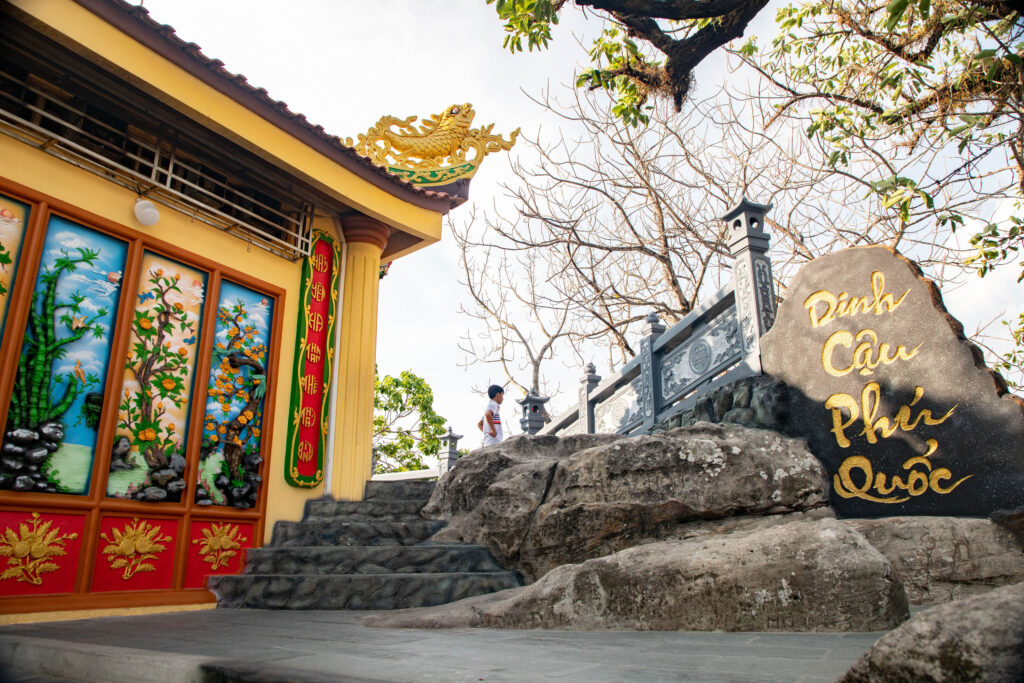 Perched on a rugged, rocky outcrop right at the mouth of the Duong Dong harbor, this small but highly atmospheric temple is the spiritual heart of the island’s seafaring community.
Perched on a rugged, rocky outcrop right at the mouth of the Duong Dong harbor, this small but highly atmospheric temple is the spiritual heart of the island’s seafaring community. Built in 1937, it’s dedicated to Thien Hau, the Goddess of the Sea.
Local fishermen still come here to burn incense and pray for safe passage before heading out into the deep blue. The best time to visit is around 5:30 PM. Stand on the rocks, watch the sky turn brilliant shades of tangerine and violet, and watch the fishing boats venture out into the dark.
The Main Event: What to Eat and Drink
Now, let’s talk about the real reason we travel: the food and the booze. Because Phu Quoc is an island blessed with nutrient-rich waters and a interior covered in lush jungles and pepper farms, the local culinary scene is an absolute knockout.
| Dish / Drink | What It Is | Where to Find It |
| Bún Quậy | “Stirred” seafood noodle soup with fresh paste | Kiến Xây (Duong Dong) |
| Ham Ninh Crab | Freshly boiled mud crab with pepper and lime salt | Ham Ninh Fishing Village |
| Grilled sea urchin (Nhum Nướng) | Chargrilled sea urchin with spring onion oil and peanuts | Duong Dong Night Market |
| Rượu Sim | Sweet, tart rose myrtle wine | Local markets or distilleries |
Bún Quậy (The Famous “Stirred” Noodles)
If there is one definitive dish you must eat on the island, it is Bún Quậy. The name literally translates to “stirred noodles,” and the dining experience is part meal, part DIY science experiment.
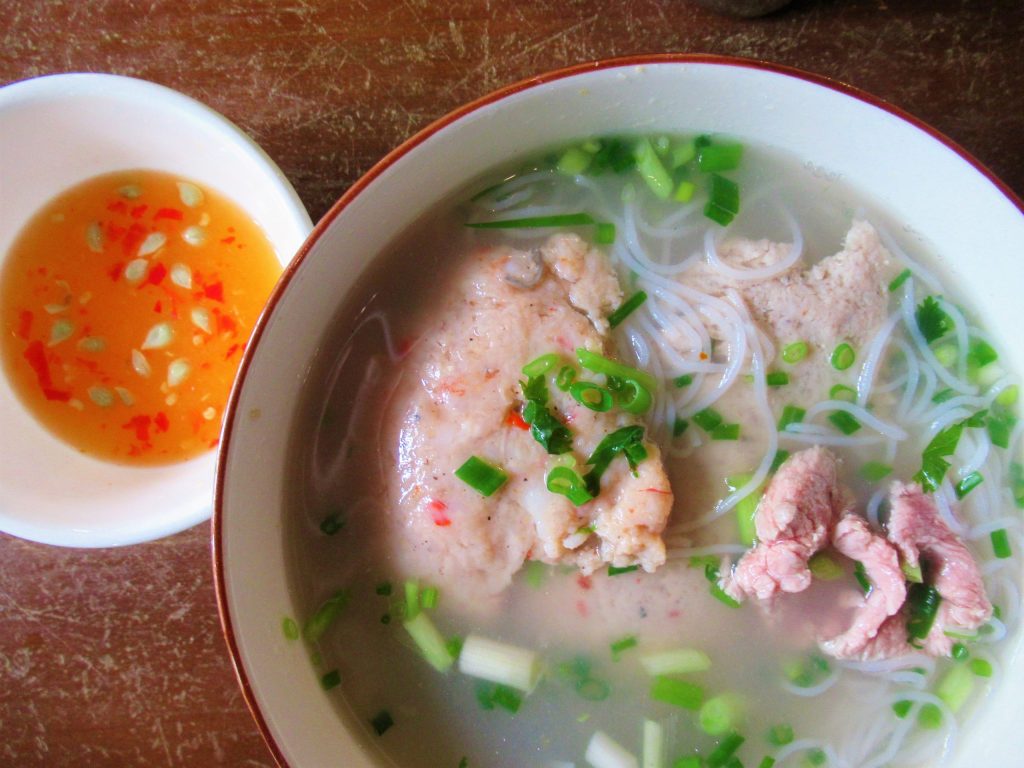
When you walk into a specialist joint like Bún Quậy Kiến Xây in Duong Dong, you’ll see a counter where fresh rice noodles are extruded directly into boiling water right in front of you. The chefs smear a thin layer of freshly pounded fish paste, shrimp paste, and squid paste onto the bottom of a bowl, then ladle the piping-hot noodle broth over the top to cook the seafood instantly.
But here is the kicker: you have to mix your own dipping sauce. There is a station loaded with fresh calamari limes, chilli, salt, sugar, and MSG. You pound them together in a small bowl until frothy, then dump half of it into your noodle soup and use the rest as a dip. It is sweet, intensely sour, spicy, savoury, and completely addictive.
Feast at the Duong Dong Night Market
As darkness falls, follow your nose to the centre of town. The Phu Quoc Night Market is a pedestrianised sensory overload of sizzling grills, bubbling hot pots, and bright neon lights.
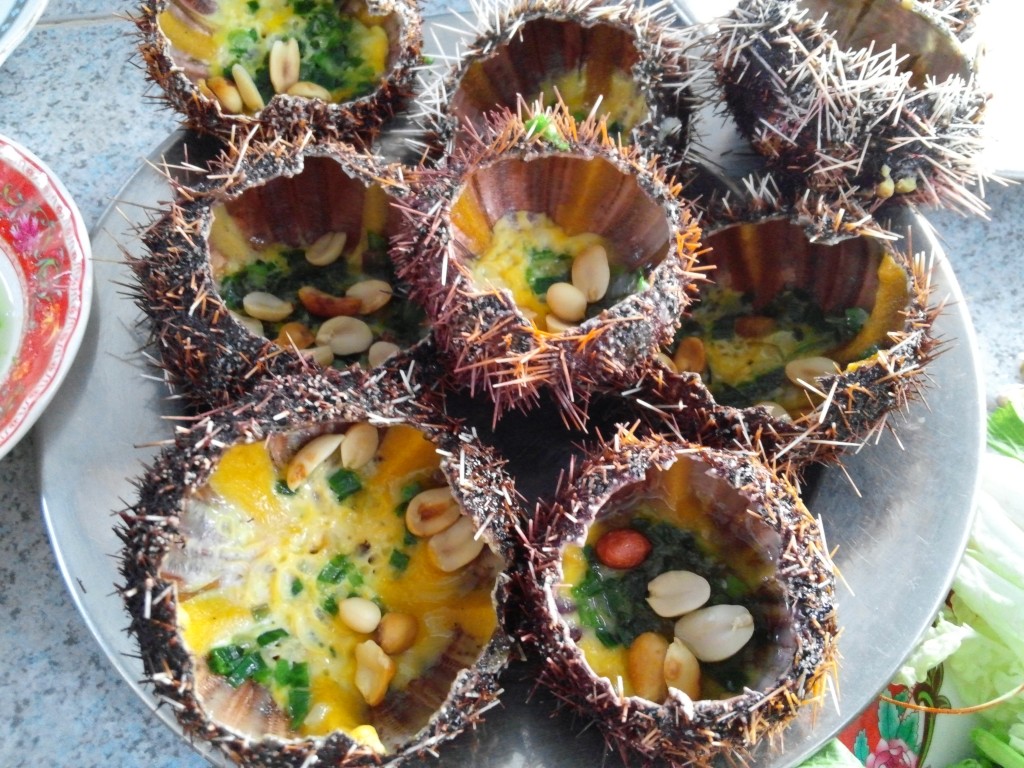
This is your chance to feast on incredibly fresh seafood without breaking the bank. Walk up to the massive ice displays outside any of the restaurants, point at what you want, and tell them how you want it cooked.
-
The Must-Order: Get some Grilled Sea Urchin (Nhum Nướng) topped with spring onion oil and crushed roasted peanuts. It’s rich, creamy, and deeply savory.
-
Pair it with: A cold, crisp bottle of Bivina or Bia Việt beer. Sit on a low plastic stool, watch the crowds drift past, and let the sea breeze cool you down.
Ham Ninh Feast: The Ultimate Seafood Lunch
For an authentic lunchtime adventure, rent a scooter or jump in a taxi and head over to the eastern coast to Ham Ninh Fishing Village. The village features long stilt piers reaching out into the shallow sea, lined with rustic, floating seafood restaurants.
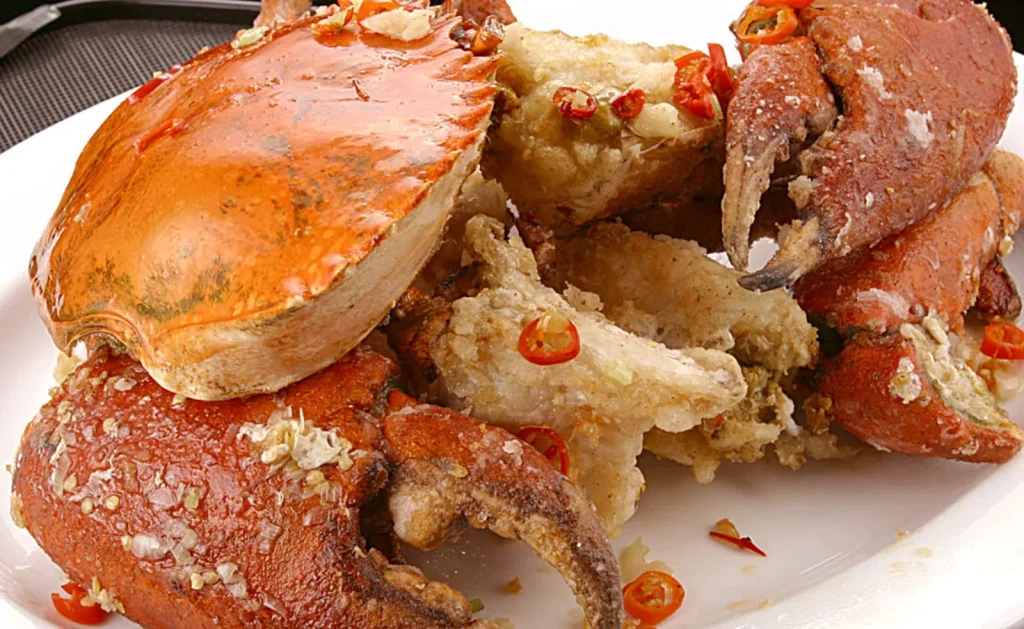 Ham Ninh is world-famous for its small but incredibly sweet and meaty
Ham Ninh is world-famous for its small but incredibly sweet and meaty mud crabs. They keep them alive in nets submerged in the sea until you order. The classic way to eat them is beautifully simple: steamed whole and served with a small dish of sea salt, fresh lime juice, and cracked Phu Quoc black pepper (which is grown on farms right on the island and is considered some of the best pepper in Asia). Crack the shells, dip the sweet meat into the fiery, zesty pepper-salt, and repeat.
Drinking Local: Rượu Sim (Myrtle Wine)
When it comes to booze, Vietnam is famous for its beer culture, but Phu Quoc has a homegrown secret: Rượu Sim.
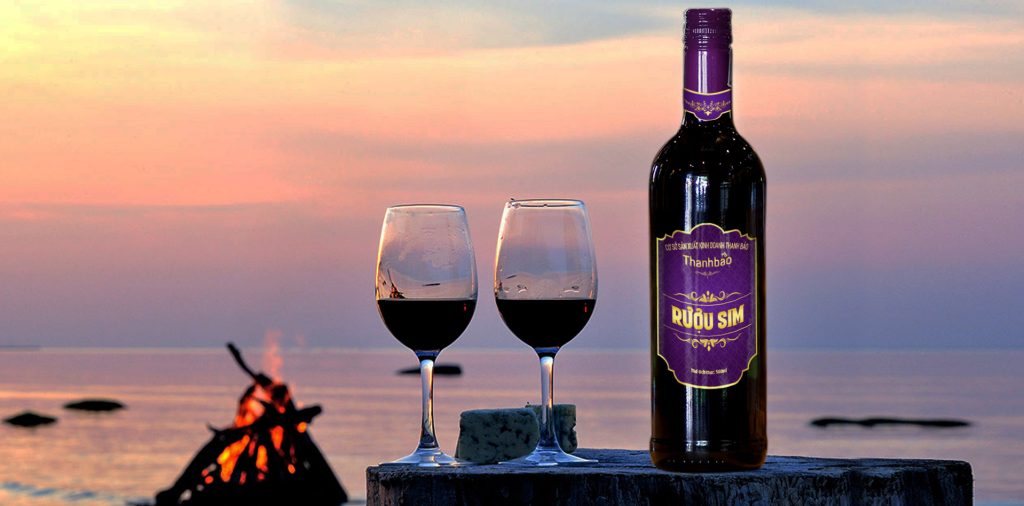
This unique local wine is made from the fruit of the wild rose myrtle rose bushes that grow wild across the island’s mountainous interior. The fruit is harvested, fermented with sugar, and aged to create a deep red, sweet, and slightly tart liquor that tastes a bit like a fortified forest-berry wine or a light port. It’s traditionally drunk as a digestive after a heavy seafood meal, and it makes for a fantastic local souvenir to bring home to your liquor cabinet.
Final Thoughts: The Pearl of Vietnam
Phu Quoc is changing rapidly. The luxury resorts are multiplying, and the secret is well and truly out. But if you skip the over-developed tourist enclaves and spend your days exploring the dusty northern loops through the national park, eating noodles with the locals, and watching the sun melt into the Gulf of Thailand with a cold beer in hand, you’ll find an island that still holds onto its wild, beautiful soul.
It is a place where the seafood is caught in the morning, grilled over charcoal in the evening, and washed down with local hospitality. So, pack light, leave your diet at home, and get yourself to Phu Quoc. Paradise is waiting.
